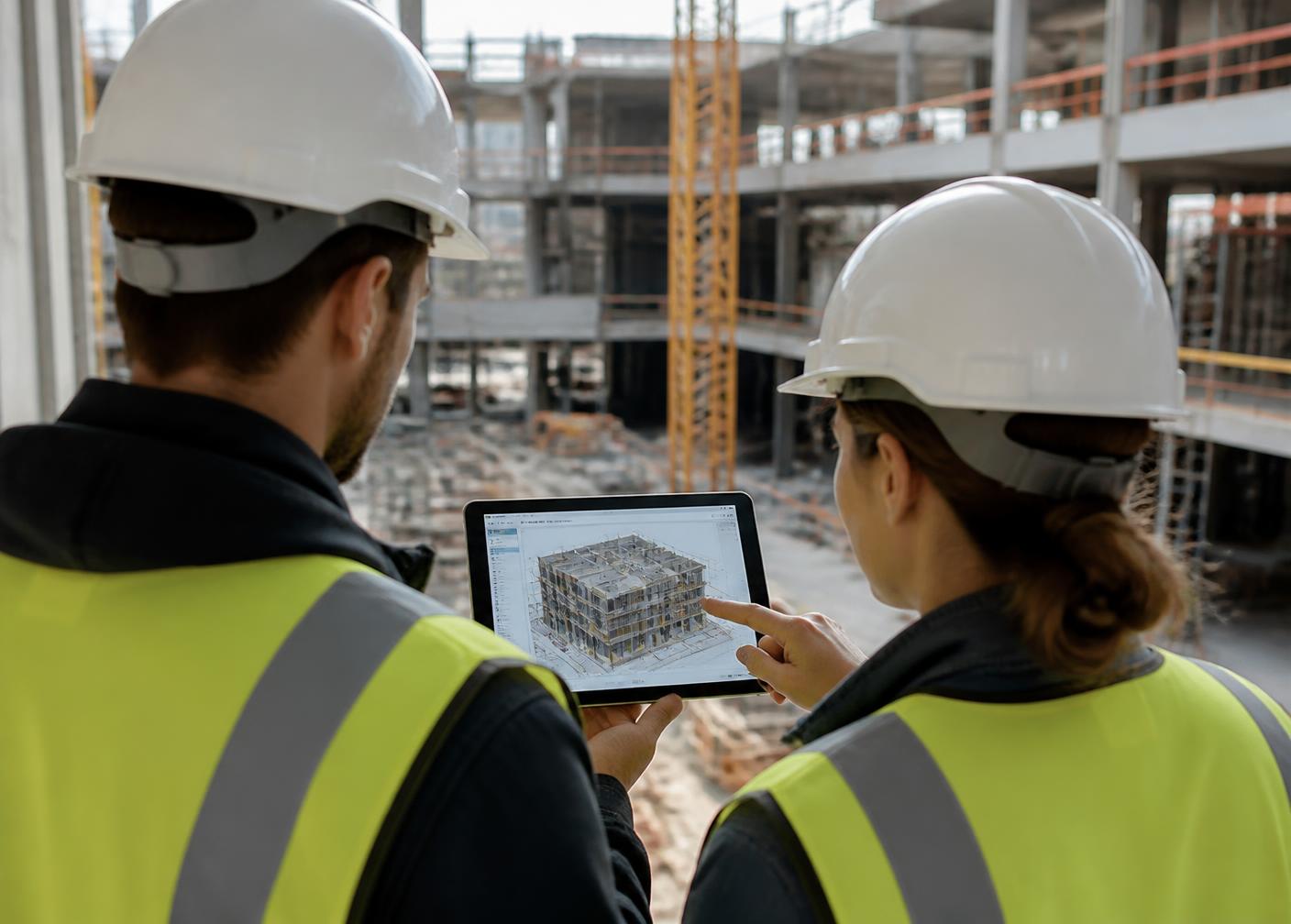
A model is a coordination instrument
Building Information Modeling is often introduced as a visualisation benefit. That undersells it. A federated model is primarily a coordination instrument: it forces disciplines to occupy the same space and reveals where they cannot.
A duct that passes through a beam is not a drawing error discovered late, it is a design decision that was never made. The model surfaces the decision while it still costs a conversation rather than a demolition.
Value concentrates before mobilisation
The influence a project team has over cost and buildability decreases as construction progresses. Modelling effort spent before mobilisation therefore returns disproportionately, because it acts while options remain open.
- Clash resolution before fabrication and procurement commitments
- Quantities extracted consistently for tendering and cost control
- Constructability review of access, sequence, and tolerances
- Sequencing agreed against a model rather than improvised on site
Model detail should follow purpose
More detail is not automatically better. A model built to an unnecessary level of definition consumes hours without improving a single decision. Detail should be specified by intended use: coordination, quantity extraction, fabrication, or asset handover.
Defining that purpose at the outset is what separates a useful model from an expensive one.
Handover is part of the design brief
When asset data requirements are set early, the as-built model becomes an operational document rather than an archive. Equipment, locations, and maintenance attributes arrive in a structured form that facility teams can use on day one.
Buildings are operated for decades and constructed for months. Information should be prepared accordingly.