The building is a system
Sustainability discussions often narrow quickly to product substitution: a lower-carbon cement, a recycled finish, a certified timber. These choices matter. But a building consumes resources as a system, over decades, and the largest effects are usually set by decisions made before any product is specified.
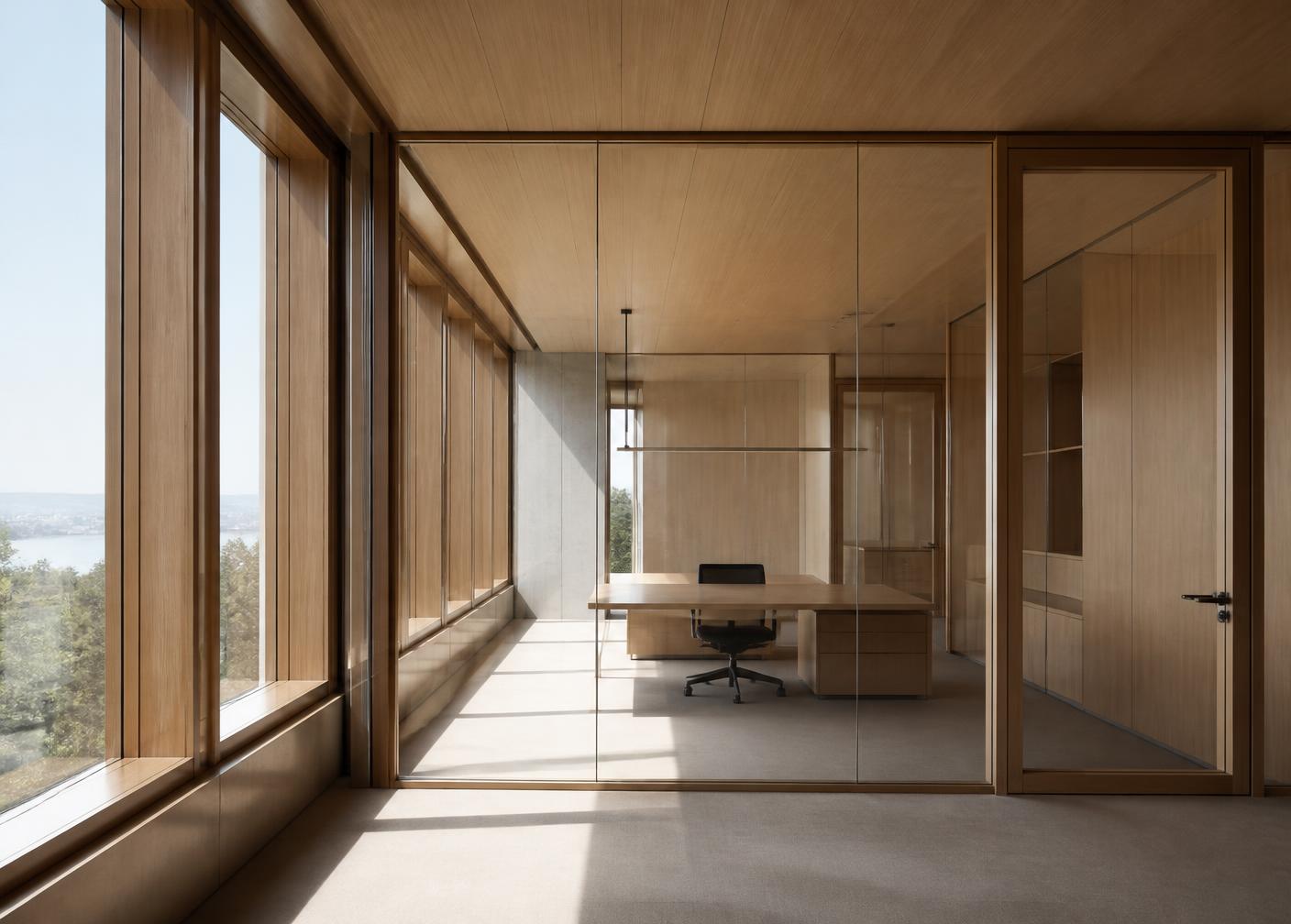
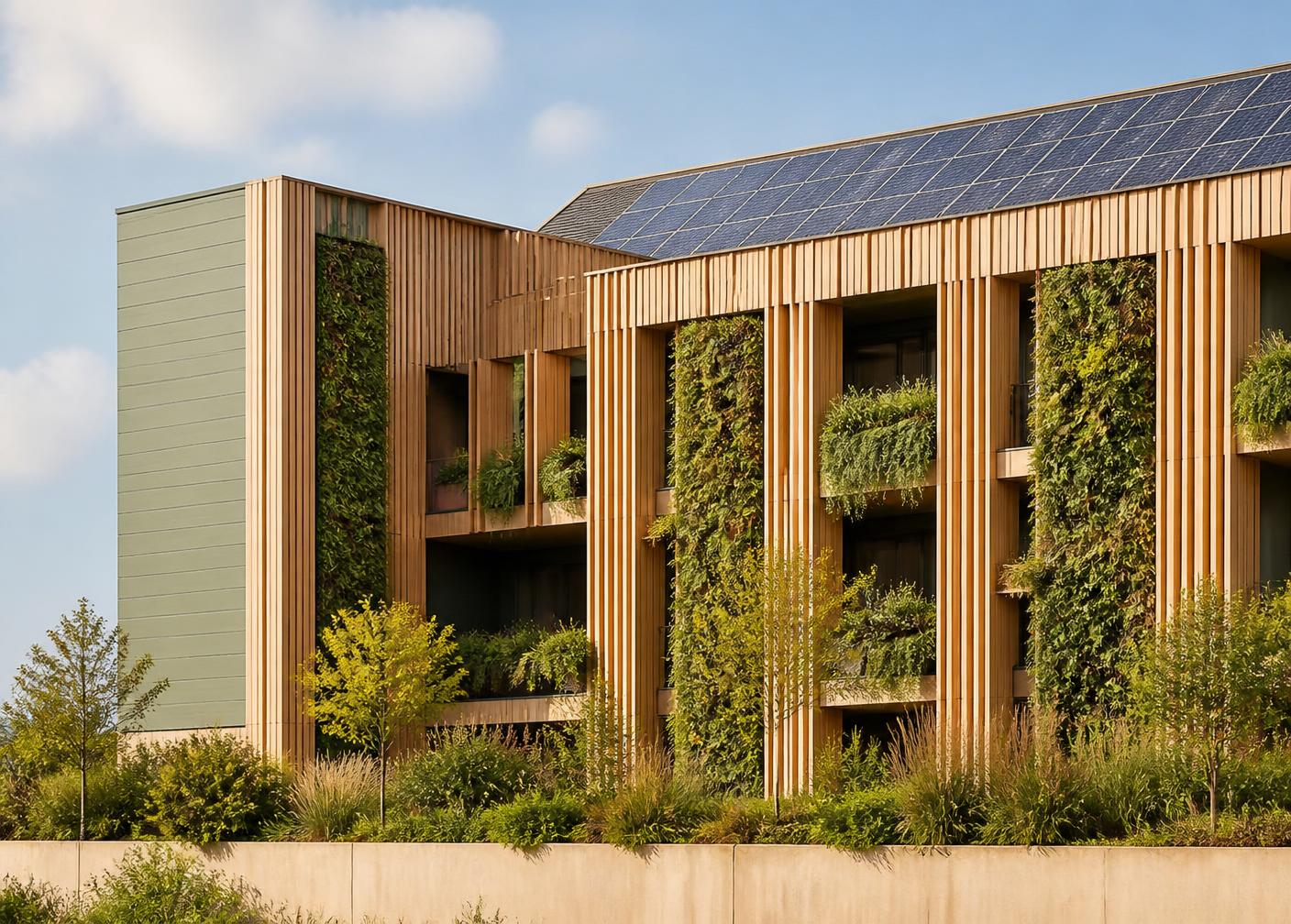
Orientation, massing, envelope performance, glazing ratio, and systems sizing determine most of the energy a building will use. Once construction starts, those decisions are effectively fixed.
Where the leverage actually sits
A practical sustainability approach follows the lifecycle rather than the specification sheet.
- Planning and design: passive performance, envelope quality, and right-sized systems
- Procurement: supplier responsibility, transport distance, and packaging
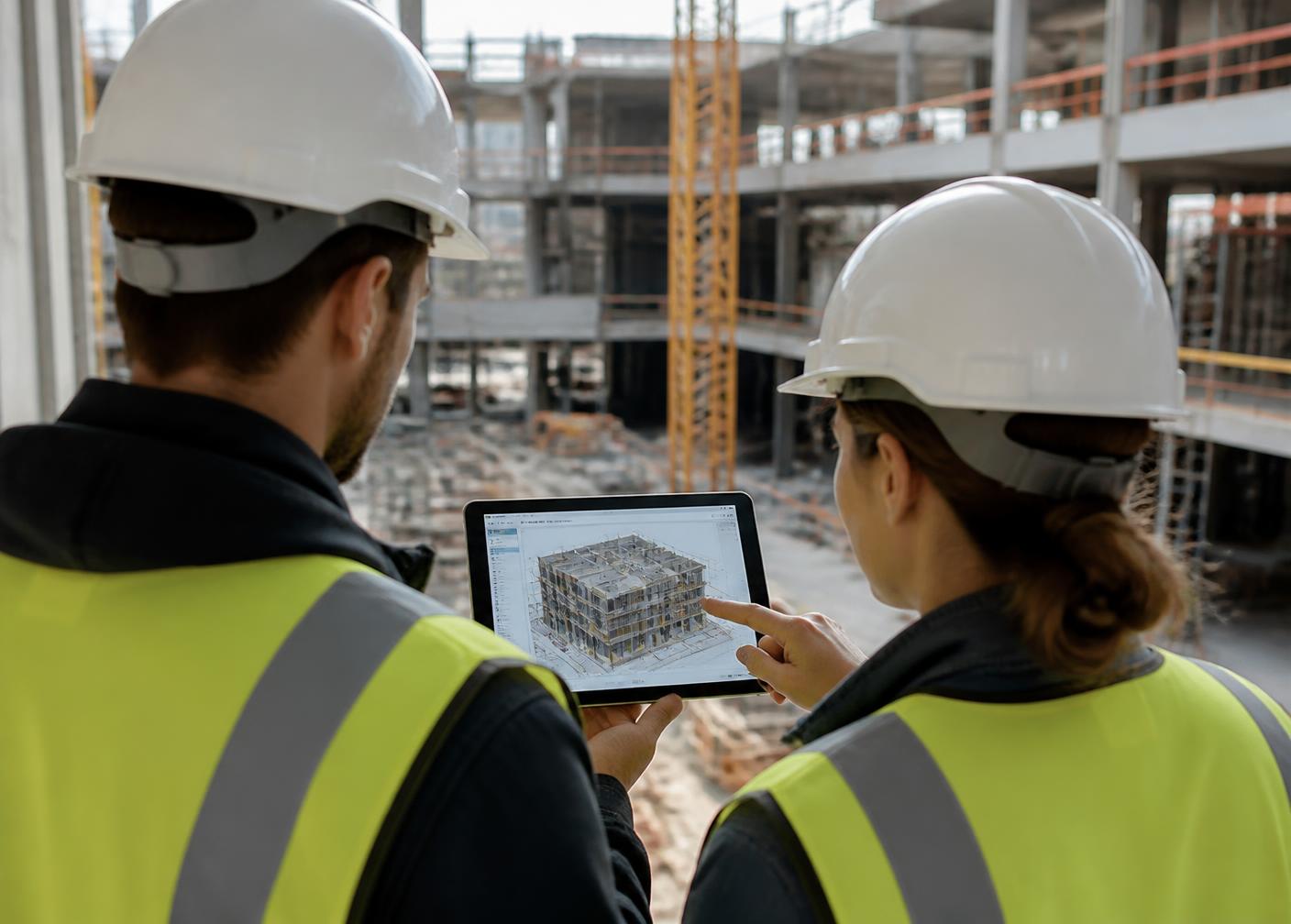
- Construction: waste segregation, reuse, and controlled site consumption
- Operation: metering, maintenance discipline, and performance review
- Improvement: retrofit of assets already in service
Construction waste is a design outcome
Waste is frequently treated as a site behaviour problem. Much of it is designed in: dimensions that do not align with standard material sizes, late changes that discard completed work, and packaging that arrives with no recovery route.
Reducing waste therefore begins with dimensional coordination and procurement planning, and only then with segregation on site.
Measure what will be managed
Sustainability claims should rest on measurement. Useful indicators include waste diverted from landfill, energy and water consumption, indoor environmental conditions, operating cost, and asset lifespan.
Verified figures require completed projects and monitored operation. Until then, the honest position is to publish the framework and the method, and to report results when the data exists.